

Reflections in Practice
A Blog for Inspiration in Mental Health
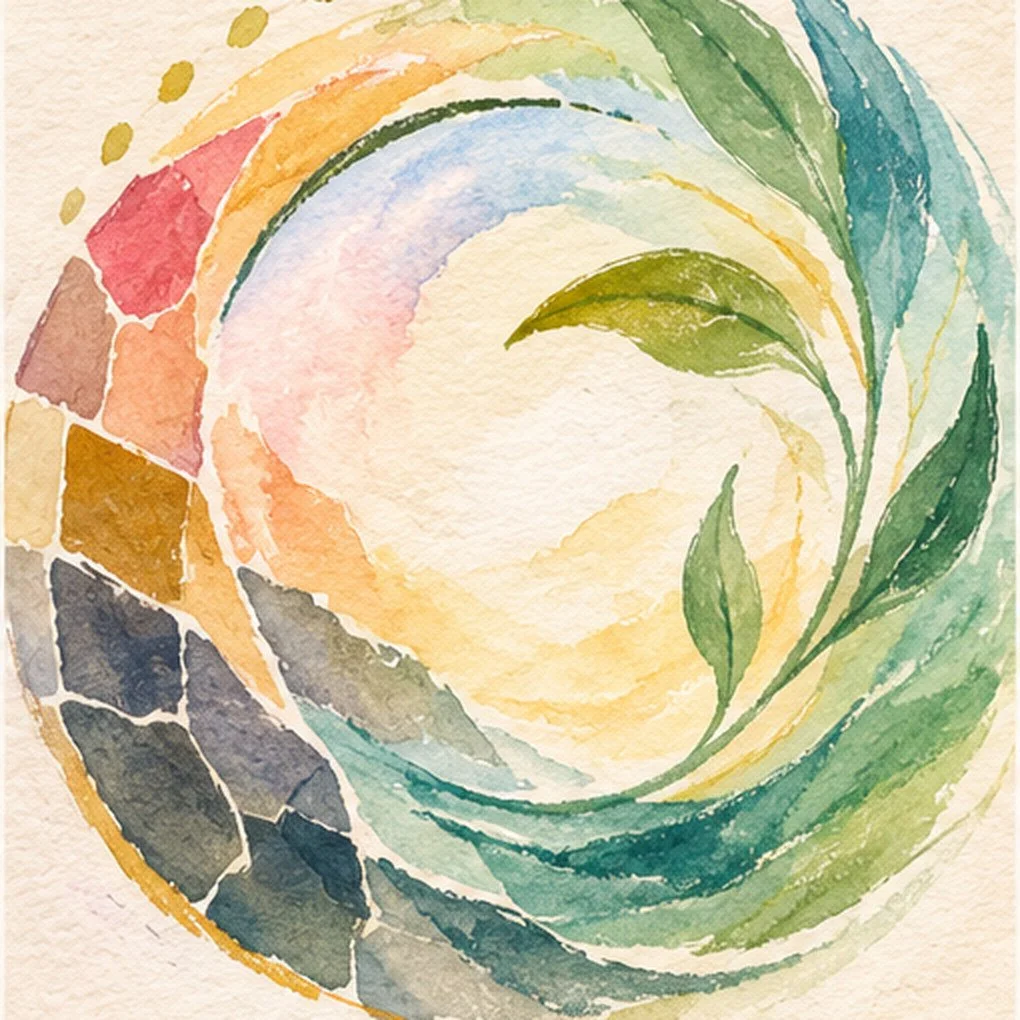
MARI in Art Therapy: Exploring the Healing Potential of Mandalas, Color, and Symbolism
Explore MARI art therapy, mandalas, color, and symbolism. Learn how creative expression can support anxiety relief, self-awareness, and emotional well-being.

Neuro Linking: How Your Brain Learns from Experience
Our brains are naturally attentive to potential threats, but neuroplasticity allows us to develop new patterns of learning. Explore how consciously recognizing positive experiences and practicing self-compassion can support emotional well-being, reduce self-criticism, and complement therapy for anxiety, OCD, trauma, and depression.

Art Therapy for Cancer Patients
Research suggests that art therapy can help cancer patients manage anxiety, process difficult emotions, and navigate the psychological challenges of treatment and recovery. Through creative expression, individuals can explore changes in identity, strengthen self-understanding, and support emotional well-being. Discover the research behind art therapy and its role in cancer care and survivorship.

The Fear of Having Another Panic Attack
Afraid of having another panic attack? Learn how anticipatory anxiety, physical symptoms, and avoidance fuel the panic cycle and how therapy can help you regain confidence and break free from the fear of panic.

Why Having an Intrusive Thought Does Not Mean You Want It to Happen
An Intrusive Thought Does Not Mean You Want It to Happen

What Rollo May Can Teach Us About Creativity
Rollo May’s ideas remind us that anxiety, creativity, and courage are connected parts of being human. This blog post distills his core concepts—existential anxiety as a signal rather than a defect, the role of courage in facing uncertainty, and creativity as a path to meaning—then shows practical ways to apply them in everyday life and therapy. Readers will find clear explanations, relatable examples for adults, teens, couples, and older adults, and gentle exercises to turn insight into action. Ideal for anyone seeking a deeper, kinder understanding of worry and the resources to move forward.

Understanding Self-Harm
This post explores self-harm with compassion, clarity, and practical support. It explains what self-harm is, common reasons people engage in it, and how it differs from suicidal intent. You'll find guidance on immediate safety strategies, ways to reduce urges, and how to create a personalized coping plan. The article also outlines when and how to seek professional help, what therapy approaches can be effective (including art therapy options), and how loved ones can respond in a calm, helpful way. Resources and crisis contacts are included for urgent situations. This piece is intended to validate difficult feelings while offering concrete steps toward safety and recovery.

Navigating Grief
Grief is messy, personal, and often misunderstood. This blog post explores common grief reactions, practical ways to cope day-to-day, and strategies for honoring loss while moving forward. Written for adults, couples, and families, it blends compassionate insight with actionable tools — including gentle exercises from art therapy and tips for using telehealth or in-person support. Whether you’re newly bereaved or carrying long-term sorrow, this piece offers validation, simple coping skills, and guidance on when to seek therapy.

How the Stories We Tell Ourselves Shape Anxiety
We tell ourselves stories every day—narratives about who we are, what we deserve, and what the future holds. These stories shape our feelings, choices, and relationships. If the script is one of fear, failure, or unworthiness, it narrows our world. The good news: stories can be rewritten.
Start by noticing the recurring lines you repeat to yourself. Ask whether they’re facts or interpretations. Practice pausing when a familiar thought arises and examine the evidence for and against it. Replace absolute language (“I always,” “I’ll never”) with balanced statements that acknowledge nuance. Experiment with small behavioral edits—choose a different response in a situation you usually avoid—and observe how the new action generates new evidence for a different story. Seek perspectives from trusted others or a therapist to catch blind spots and rehearse kinder, more realistic narratives.
Changing your inner story doesn’t erase hardship, but it changes the meaning you assign to it. Over time, a revised narrative—one that includes resilience, growth, and possibility—creates choices that lead to a different life.


